Consumption measurements
Shipping and Coriolis Mass flow meters
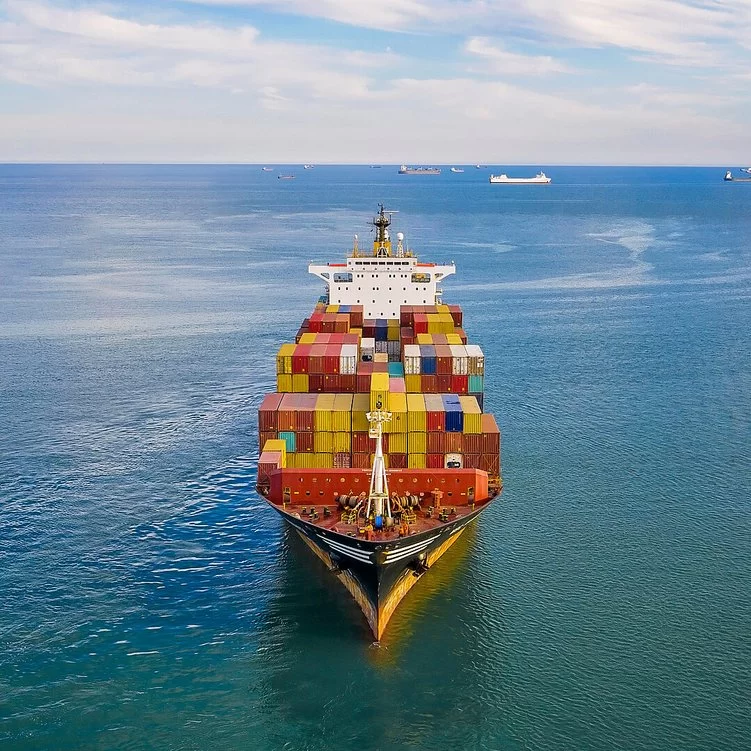
In commercial shipping, now more than ever, fuel consumption measurements are an important part of the cost-benefit analysis for making operating decisions.

In commercial shipping, now more than ever, fuel consumption measurements are an important part of the cost-benefit analysis for making operating decisions.
Accurate and reliable real-time measurement of Fuel Oil Consumption onboard oceangoing vessels, along with seamless integration with various data acquisition and telemetry platforms, is essential for several critical reasons, including (but not limited to) :
Driven by emission regulations, higher-quality, low-sulphur fuels are in play and these are expensive. The MRV 757/2015 regulations require that vessels above a certain Gross tonnage (GT) need to continuously undergo verification of their CO2 footprint.
Cost-benefit data and the accurate recording of CO2 emissions have decisively changed the landscape of flow measurement technology on ships. Traditionally used volume-based measurement technology is simply no longer sufficient and the recommendation of the MRV regulations to rely on mass-based systems has driven the adoption of Coriolis mass flowmeters in their place. With the regulations in mind, it is possible to demonstrate that the higher initial cost for mass flow metering will pay off.
To aid acceptance of Coriolis flow meters, establishing their credibility and reliability in the challenging environment on board a ship is of crucial importance, so confirming their performance independently using standardised tests set by industry societies at accredited testing laboratories is very important. Upon satisfactory conclusion of these tests, Coriolis meters can be readily deployed for overall. Fuel consumption measurements of, amongst others, main and auxiliary engines, generators and boilers.
Marine fuels are split into two main categories: Heavy fuel oils (HFO) and distillates. HFO includes other products such as LSFO, ULSFO and HSFO. Distillates are also colloquially called marine gas oil (MGO). Mixtures of HFO and distillates frequently used in practice are described as Marine Diesel (MDO) or Intermediate Fuel Oils (IFO). The term marine diesel refers primarily to blends in which the proportion of heavy fuel oil is very small.
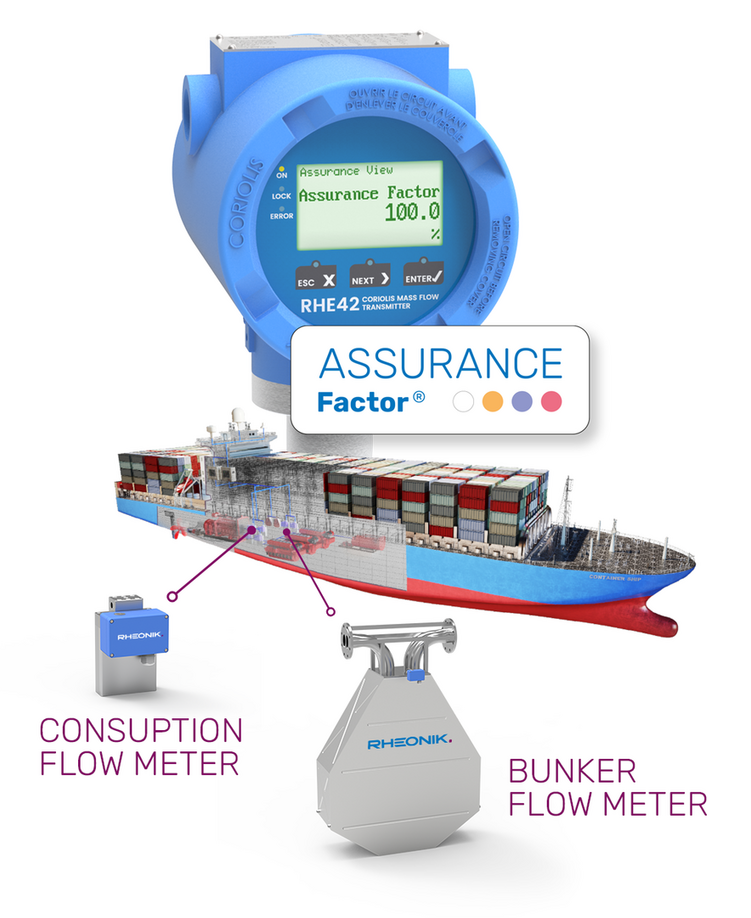
Reproducible and verifiable measurement results. Coriolis meters are able to accurately measure mass regardless of the grade/source of fuel or the fuel temperature. Unlike many volume-based technology meters, Coriolis mass flow measurements are density and viscosity independent, making reported flow rates reliable and accurate. Only with this reliable information can ship operators successfully identify fuel consumption optimisation opportunities that will reduce operating costs.
Tank switch over: Coriolis meters are multifunctional – as well as measuring mass flow, they are also able to measure density. When considering switching from one fuel type to another during a voyage, continuous monitoring of the density of the fuel currently being consumed is a decisive indicator of when fuel switch over should be made. Density measurement also provides positive feedback when the switch over has been completed.
Accurate density measurement from a Coriolis meter allows fueling decisions to be made that contribute to operating cost savings. It should be noted that the mass flow meter alone will not deliver cost savings. It is the accuracy and reliability of the measurements that allow for instantaneous assessment of the vessels operating cost. According to a very well-known technical director of a Greek shipping company, measures taken from there to reduce cost are key.
It’s not the flow meter alone, it’s the whole package that has to be right. The Rheonik team understand the very specific fuel measurement challenges in the shipping industry and this understanding helps tailor metering solutions that will provide reliable data for both controlling costs and demonstrating compliance to regulations.
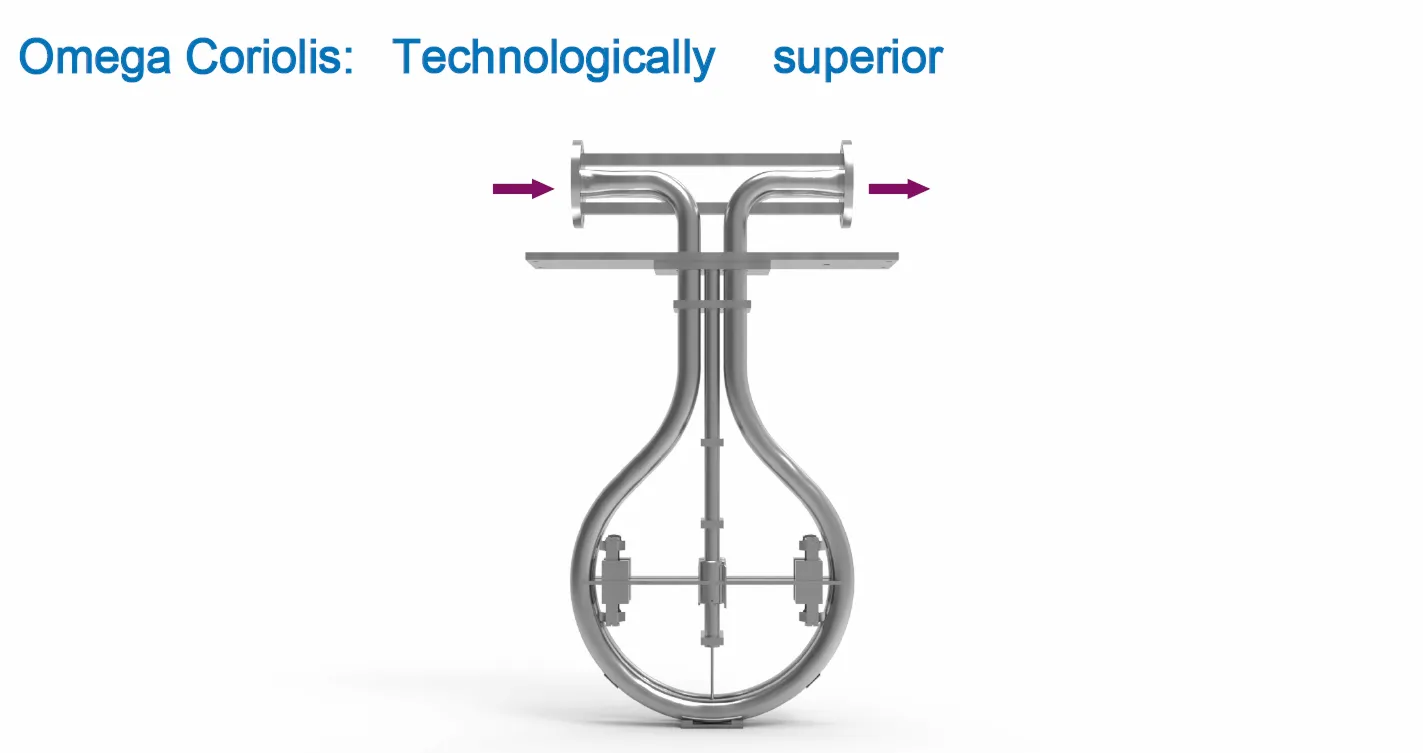
Each mass flow meter has two measuring tubes. The oscillating system is driven by two controlled electromagnetic excitation coils. As liquids or gases flow through the oscillating omega tubes, the Coriolis force is created and causes a slight deflection of the two measuring tubes from their original shape. The opposing tubes are referenced to each other and the changes in deflection are proportional to the mass flow rate. In practice, the referencing is done by attaching small pickup coils that generate sinusoidal voltages. The detected time delay between pickup signals is directly proportional to the mass flow rate.
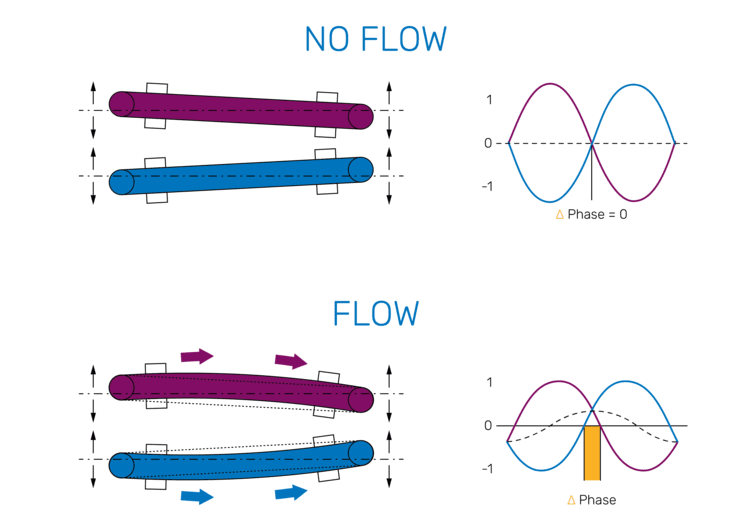
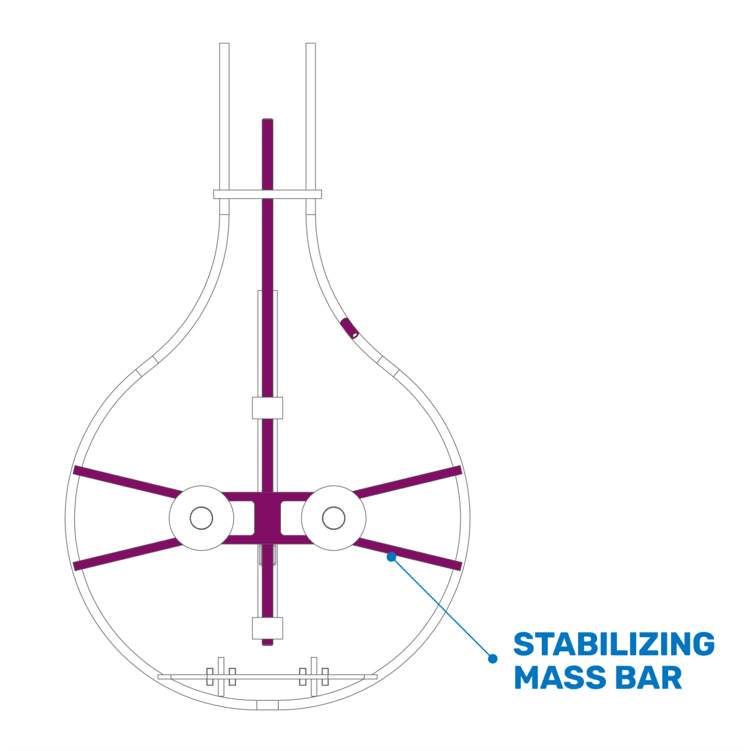
The Rheonik Omega tube design (using torsion rods and a mass bar as core elements ) can provide solutions for applications with line pressures up to 1722 bar at an uncertainty of 0.05 %.
The unique, highly stable mechanical design of the Rheonik Omega tube meter offers many advantages over more common unsupported bent tube designs
Due to the unique torsional oscillation system of the Omega design, Rheonik products can serve a wide range of extraordinary applications. Among other things, it enables the use of larger pipe wall thicknesses. Furthermore, the inner parts warrant a most stable design even using the smallest tubes of sub 1 mm diameter for very low flow applications.
The design type is the key to Rheonik’s wide and superior range of reliability and usability.
Rheonik was founded in 1986 with the sole purpose to develop the Rheonik Coriolis Mass Flowmeter range. After exhaustive testing of many different configurations, the unique design of the Omega tube meter, in any size, with torsion rods and mass bars came into being and was granted a patent. E.g. unlike other Coriolis meters, the Omega tube design of Rheonik Coriolis meters has solutions for operation up to 1722 bar (24,969 psi) line pressure at a precision of 0,05 % and with renowned mechanical reliability.
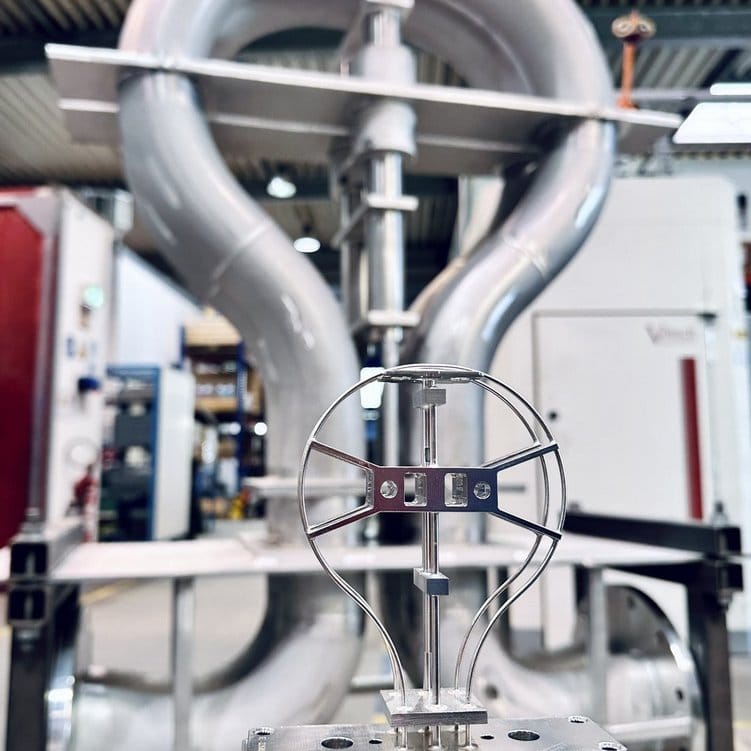
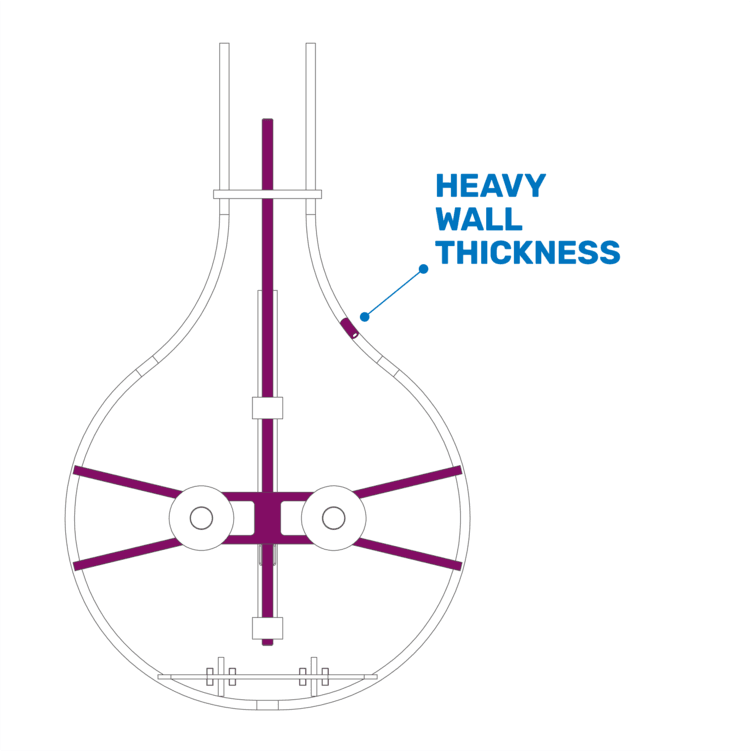
Rheonik Omega design permits increased tube wall thickness for high pressure and higher temperature applications. The higher wall thickness also provides long-term stability and safety margin against potential abrasion and corrosion.
The energized Rheonik torsion oscillation produces, in concert with the mass bars, large oscillation amplitudes with extremely good signal to noise ratio for the best accuracies, even at low flow conditions. The stability of the oscillation is the key for highly reliable measurement in difficult conditions, i.e. bubbles in liquid or non-homogeneous fluids with different densities.
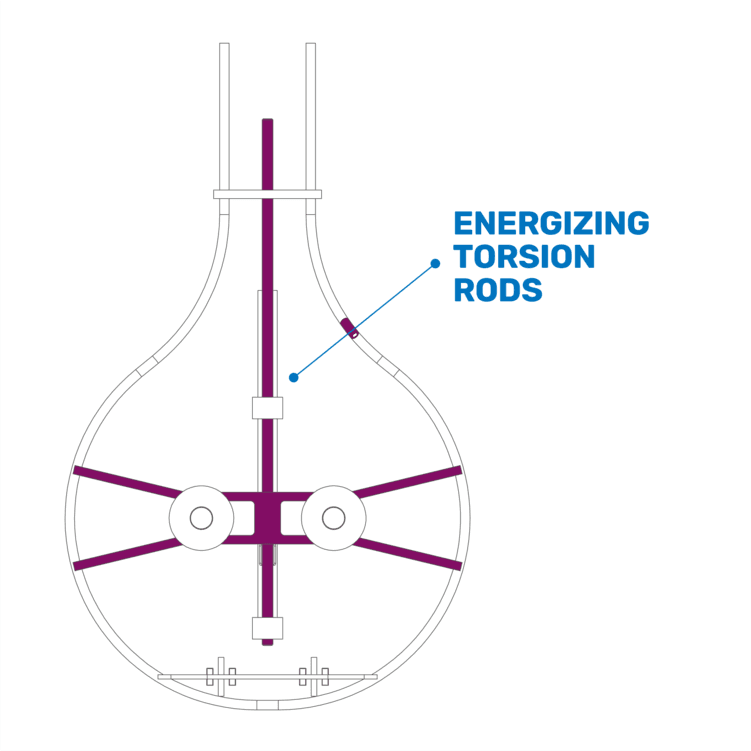
Our mass bar works in conjunction with torsional rods to generate a lightly damped harmonic oscillation, just like a tuning fork in perpetual motion.That reduces susceptibility to external vibration and process borne dampening conditions.
Contact us via phone, email, or by filling out the form, and we’ll get back to you as soon as possible.
A: 106, Kyprou Ave, Argyroupoli,
16452, Athens, Greece
E: tech@addmarine.gr
Tel: +30 210 9953760
Dimitris Koliaroudakis
M: +30 6974079200
E: koliaroudakis@addmarine.gr
Andreas Angelidis
M: +30 6982243252
E: angelidis@addmarine.gr
© 2025 ADD Marine. All Rights Reserved.